
Korean Glass Skin Facial How to Achieve a Radiant Healthy Glow

Glass skin has a way of making people stop mid-scroll. The look is smooth, plump, fresh, and almost translucent, like light is bouncing off healthy skin rather than sitting on top of makeup.
A Korean glass skin facial is not really about chasing perfection. Real skin has pores, texture, smile lines, and the occasional spot. The goal is to build a routine that helps skin look hydrated, calm, even, and luminous. Think of it as a layered approach: gentle cleansing, smart exfoliation, deep hydration, barrier care, and sunscreen.
One friend described her first glass skin routine like this: “I expected one miracle serum. What actually changed my skin was using lighter layers and being kinder to it.” That sums it up well. The glow comes from consistency, not from scrubbing harder or using ten new products overnight.

What glass skin means and why hydration matters
Glass skin is a Korean skincare-inspired term for skin that looks clear, bouncy, dewy, and well cared for. It is often linked to K-beauty routines, where the focus is not covering the skin but improving how it behaves day to day.
The look depends heavily on hydration. Dry or dehydrated skin can look dull, tight, flaky, or uneven. When skin has enough water and a healthy barrier, it reflects light more smoothly.
Hydration is not the same as oiliness. Oily skin can still be dehydrated, and dry skin can still need oils or richer creams. A balanced glass skin routine usually includes both:
Humectants These pull water into the skin. Common examples include hyaluronic acid, glycerin, beta-glucan, panthenol, and aloe.
Emollients These smooth and soften the skin. Look for squalane, meadowfoam seed oil, fatty alcohols, and ceramides.
Occlusives These help reduce moisture loss. Petrolatum, dimethicone, and shea butter can be useful, especially at night or in dry weather.
The mistake many people make is using only a watery serum and expecting lasting glow. Water needs help staying in the skin. That is why a hydrating toner or essence often works better when followed by a serum and a moisturizer.
A simple way to understand it: toner wets the sponge, serum adds targeted support, and moisturizer keeps the sponge from drying out too quickly.
The core steps of a Korean glass skin facial
A glass skin routine can look long, but the main idea is simple. Use gentle products in thin layers, from lightest to richest. You do not need every trendy item. You need the right products for your skin.
Start with a gentle cleanse
Cleansing sets the tone for the whole routine. If your cleanser leaves skin tight or squeaky, it may be stripping away too much oil.
For nighttime, many Korean routines use a double cleanse:
Use an oil cleanser, cleansing balm, or micellar water to remove sunscreen, makeup, and excess oil.
Follow with a gentle water-based cleanser to clear away residue.
In the morning, a full cleanse may not be needed for everyone. Some people do well with a splash of lukewarm water or a very mild cleanser.
Look for cleansers with:
Low-foam or creamy textures
Amino acid surfactants
Glycerin
Centella asiatica
Green tea
Avoid hot water. It can leave the skin feeling dry and flushed. Lukewarm water is enough.
Exfoliate for smoothness, not punishment
Exfoliation helps remove dead skin cells that can make skin look dull or rough. It also helps hydrating products sit more evenly. The key is restraint.
For glass skin, chemical exfoliation is usually more reliable than harsh scrubs. Common options include:
AHAs Glycolic acid, lactic acid, and mandelic acid can help with dullness and uneven texture.
BHAs Salicylic acid can be useful for clogged pores and oily areas.
PHAs Gluconolactone and lactobionic acid are often gentler options for sensitive skin.
Most people do not need exfoliation every day. One to three times a week is enough for many routines. If skin stings, flakes, burns, or becomes shiny in a tight way, back off.
A reader once shared that her skin looked “glowy for two days, then angry for two weeks” after using a strong acid toner every night. Her glow came back only after she paused exfoliants and focused on barrier repair. That is a common glass skin lesson: calm skin reflects light better than irritated skin.

Add essence or hydrating toner
This is where many Korean-inspired routines shine. Essences and hydrating toners are lightweight products that add water and soothing ingredients to the skin.
Apply them right after cleansing, while skin is still slightly damp. Instead of rubbing with a cotton pad, try pressing the product in with clean palms. This reduces friction and helps build hydration without irritating the skin.
Ingredients to look for include:
Hyaluronic acid
Glycerin
Panthenol
Rice extract
Green tea
Centella asiatica
Snail mucin, if it suits your preferences
Birch sap
Beta-glucan
The “seven skin method” became popular in Korean skincare circles, but seven layers are not required. Two or three thin layers can be plenty. Stop when skin feels plump, not sticky or suffocated.
Use a serum that matches your skin goals
Serums add targeted support. For a glass skin look, choose one main goal rather than stacking too many active ingredients at once.
For dullness, try vitamin C, niacinamide, licorice root extract, or rice extract.
For uneven tone, look for niacinamide, tranexamic acid, alpha arbutin, or gentle vitamin C derivatives.
For redness or sensitivity, choose centella asiatica, madecassoside, panthenol, beta-glucan, or ceramides.
For fine lines caused by dryness, look for peptides, hyaluronic acid, squalane, or retinal if your skin already tolerates retinoids.
Niacinamide is a popular glass skin ingredient because it can support the skin barrier, help with uneven appearance, and balance the look of oiliness. Many people tolerate it well, though higher percentages can irritate some skin types.
Seal everything with moisturizer
Moisturizer is where the glow gets protected. Without it, all those watery layers can evaporate too quickly.
Choose texture based on skin type:
Skin type | Best moisturizer texture | Helpful ingredients |
Oily or acne-prone | Gel cream or lotion | Glycerin, green tea, niacinamide, light ceramides |
Dry | Cream or balm | Ceramides, squalane, shea butter, fatty acids |
Sensitive | Fragrance-free cream | Panthenol, centella, oat, beta-glucan |
Combination | Light cream, layered where needed | Hyaluronic acid, ceramides, dimethicone |
At night, very dry areas may benefit from a thin layer of balm on top. This is sometimes called slugging when petrolatum is used. It is not for everyone, especially if heavy occlusives trigger clogged pores, but it can help on dry patches.
Finish daytime routines with sunscreen
No glass skin routine is complete without sunscreen. Sun exposure can contribute to dark spots, uneven texture, fine lines, and irritation. A broad-spectrum sunscreen used daily helps preserve the results of the rest of the routine.
For a dewy look, many people prefer hydrating sunscreens with a creamy or essence-like finish. If skin gets oily, use a lighter sunscreen and add glow with skincare underneath rather than choosing a greasy formula.
Use enough product, and reapply when needed, especially after sweating or spending time outdoors.
The best application techniques for a dewy finish
Technique can make ordinary products perform better. Glass skin is not just what you apply. It is how you apply it.
Work on damp skin
Hydrating ingredients often work best when there is water present. After cleansing, pat skin so it is damp rather than dripping. Apply toner or essence before the skin fully dries.
If you use hyaluronic acid on dry skin in a dry room, it may not feel as plumping. Pair it with a mist, toner, or damp skin, then lock it in with moisturizer.
Press instead of rubbing
Rubbing can create redness, especially around the cheeks, nose, and mouth. Pour toner into your palms, spread it between your hands, and gently press it into the skin.
For serum, use a few drops and spread it lightly. Then press. Give each layer a moment to settle before moving on.
This does not need to be slow or fussy. A full routine can still take only a few minutes.
Use thin layers
A common glass skin mistake is applying too much of each product. Thick layers can pill, feel sticky, or clog the look of the skin.
Try this order:
Cleanser
Exfoliant, on exfoliation nights only
Hydrating toner or essence
Serum
Moisturizer
Sunscreen in the morning
On nights when you use retinoids or stronger exfoliants, keep the rest of the routine simple and soothing.
Add facial massage carefully
A light facial massage can help products spread evenly and make the routine feel relaxing. Use moisturizer or facial oil for slip, and avoid tugging.
Try gentle upward strokes along the cheeks and jaw. Use your ring fingers around the eyes. Keep pressure light. If skin is inflamed, sunburned, or breaking out painfully, skip massage until it calms.

How to maintain healthy skin between facials
A Korean glass skin facial can give skin an immediate fresh look, but maintenance creates the lasting glow. Skin responds to daily habits as much as product choices.
Keep the barrier happy
The skin barrier is the outer layer that helps keep water in and irritants out. When it is stressed, skin may sting, peel, break out, or feel tight even after moisturizer.
Support it with:
Gentle cleansing
Fragrance-free options if skin is reactive
Ceramides and fatty acids
Rest days from exfoliants and retinoids
Sunscreen every morning
If your skin feels irritated, simplify. Use cleanser, moisturizer, and sunscreen for a few days. Then add products back one at a time.
Hydrate from the inside too
Topical hydration matters, but daily habits also show up on the face. Drinking water will not magically erase texture, but dehydration can make skin look tired. Balanced meals, regular sleep, and steady water intake all support the look of healthier skin.
Foods with healthy fats and antioxidants can fit well into a skin-supportive routine. Think salmon, avocado, nuts, seeds, berries, leafy greens, and fermented foods if you enjoy them.
Change pillowcases and clean tools
Small habits help prevent buildup. Change pillowcases often, especially if you use rich night creams or hair products. Wash makeup brushes and sponges. Keep cleansing cloths fresh.
If you use reusable cotton pads, clean them well and let them dry fully.
Do not chase every trend
Glass skin can tempt people into buying every new ampoule, mask, and peeling gel. More products do not always mean better skin.
Patch test new products when possible. Introduce only one new active at a time. Give skin a few weeks to respond before judging results, unless irritation shows up quickly.
One esthetician-style tip that many people swear by is keeping a small “skin diary.” Write down the date, product, and any reaction. It sounds simple, but it can quickly reveal patterns, like dryness after a certain exfoliant or breakouts after a heavy cream.
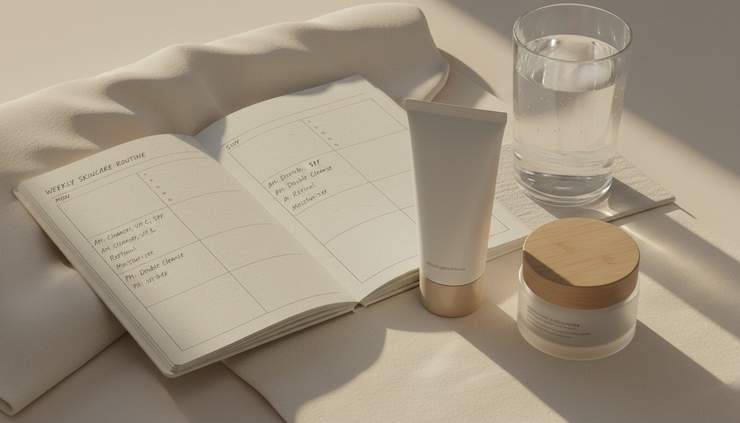
A simple glass skin routine to try
If the full routine feels like too much, start here. This version covers the main glass skin goals without overwhelming the skin.
Morning routine:
Rinse or cleanse gently.
Press in a hydrating toner or essence.
Apply a brightening or barrier-supporting serum.
Use moisturizer if needed.
Finish with broad-spectrum sunscreen.
Evening routine:
Double cleanse if wearing sunscreen or makeup.
Exfoliate one to three nights a week, if tolerated.
Press in hydrating toner or essence.
Apply serum.
Seal with moisturizer.
For a once-a-week facial-style routine at home, add a hydrating sheet mask after toner and before moisturizer. Choose one with soothing ingredients rather than a strong peel. After removing it, press in the remaining essence and seal with cream.
If skin is acne-prone, avoid layering too many heavy products. Glass skin for acne-prone skin may look more like a fresh satin glow than a shiny finish, and that still counts.
If skin is dry, use richer creams at night and consider layering toner twice. If skin is sensitive, keep exfoliation mild and focus on calming ingredients.
The real secret is consistency
The glass skin look is built through repeated small choices. Gentle cleansing protects the barrier. Exfoliation smooths the surface when used wisely. Hydrating toners, essences, and serums bring back bounce. Moisturizer seals it all in. Sunscreen keeps your progress from fading too quickly.
A Korean glass skin facial can be a beautiful ritual, but it should never feel like a punishment or a race. The best routine is one your skin tolerates and one you can repeat without stress.
Start with hydration, add exfoliation slowly, and pay attention to how your skin feels the next morning. When your skin feels comfortable, looks calm, and catches the light in a soft way, you are already closer to that radiant glass skin glow.


Comments